Gold Jewellery: What It Is and How It Wears
Gold in jewellery is always an alloy. In Britain it is sold by carat: 9ct is 37.5 per cent gold, 14ct is 58.5 per cent, and 18ct is 75 per cent. The higher the carat, the warmer the colour and the softer the metal.
How to read the mark
Look for 375, 585 or 750 depending on the carat, struck at the London Assay Office. The mark is struck by an independent assay office, not by the maker, so it is the one part of a piece of jewellery you do not have to take on trust.
Living with it
Solid gold does not tarnish. Warm water, a drop of washing-up liquid and a soft brush are all it ever needs. Take it off before the gym, where knocks and sweat do more harm than time.
Who it suits
9ct is the hardest wearing and the most affordable; 18ct has the deepest colour and is the one people keep for life.
What we make in gold
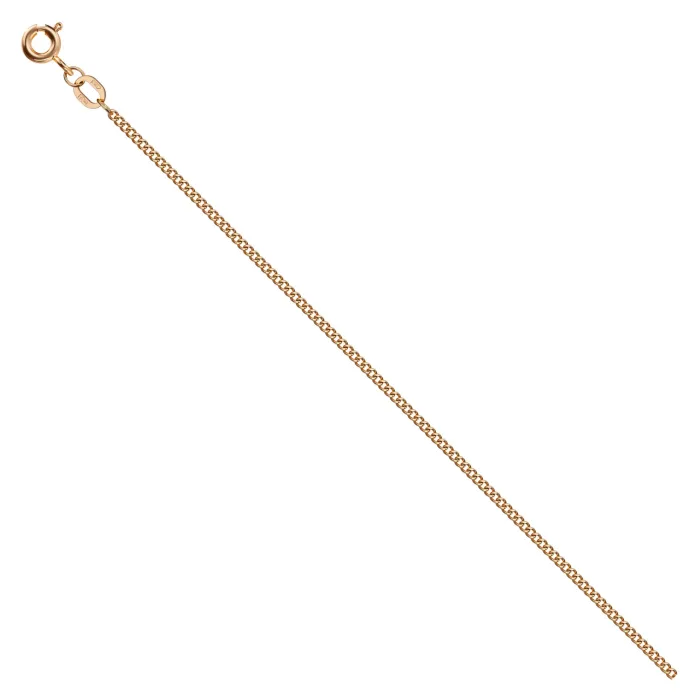
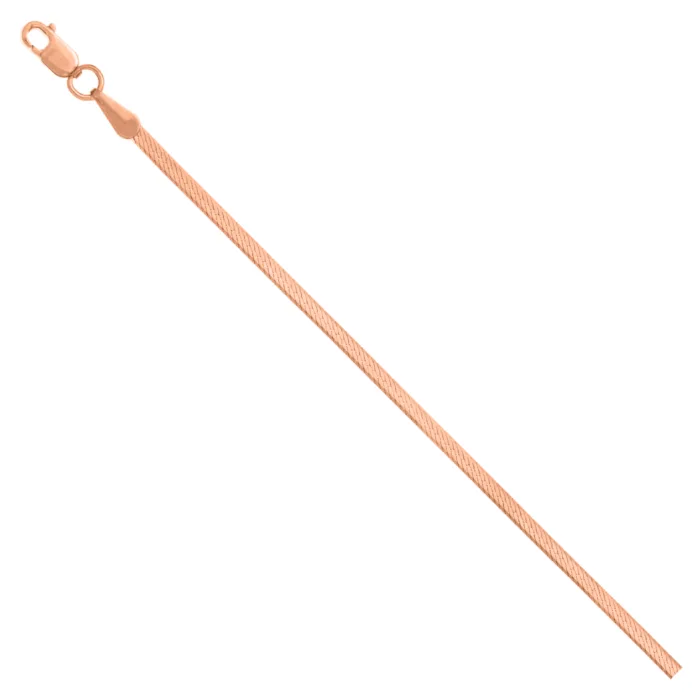
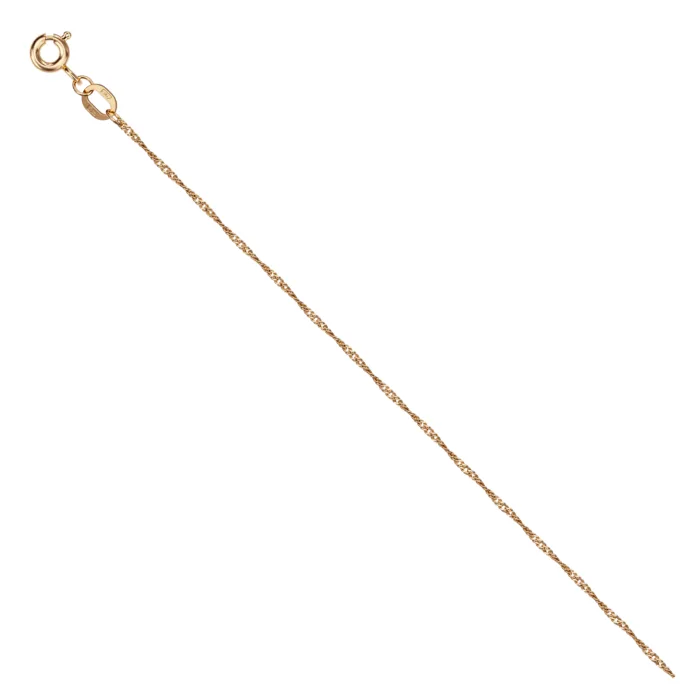
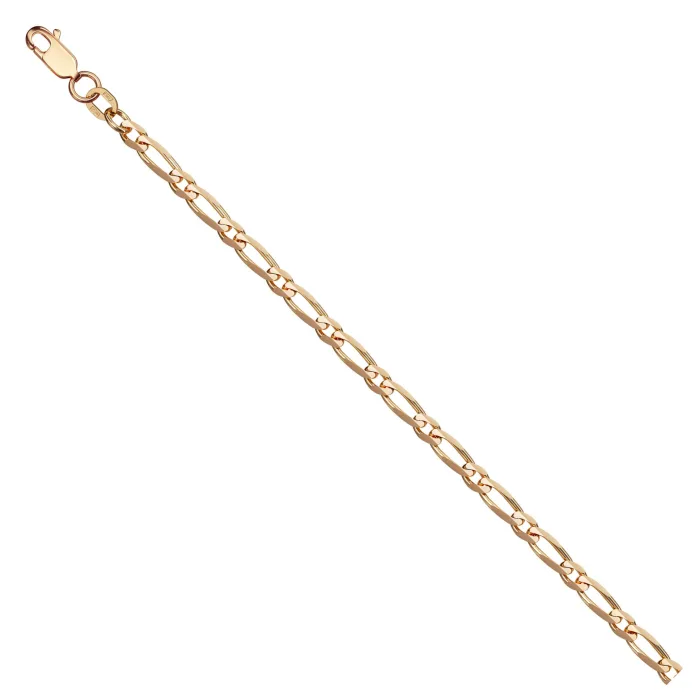
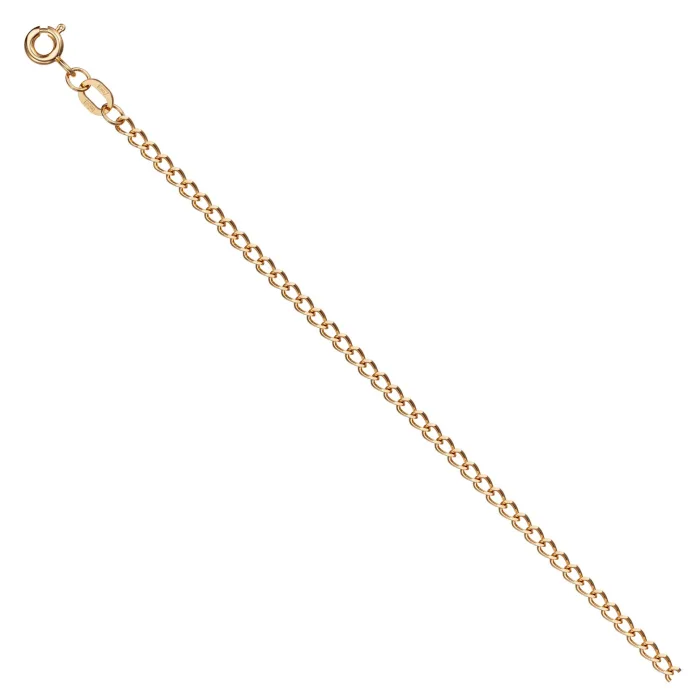
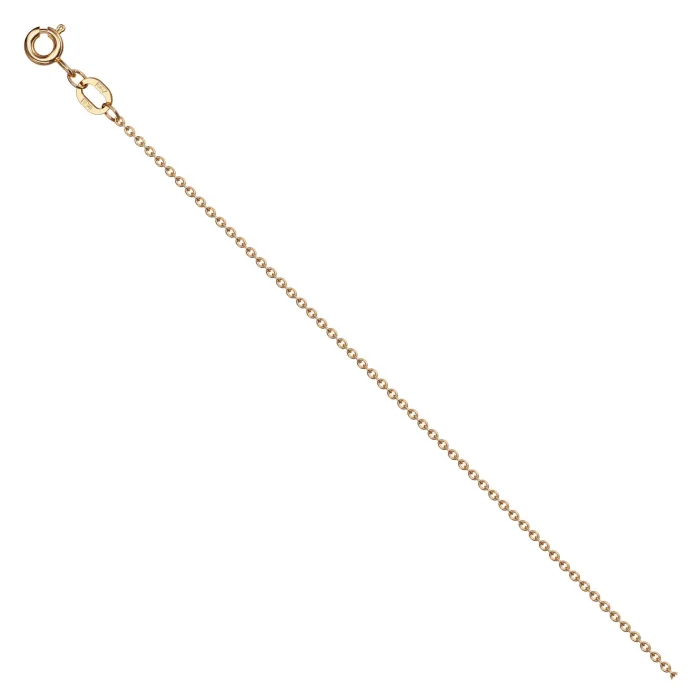
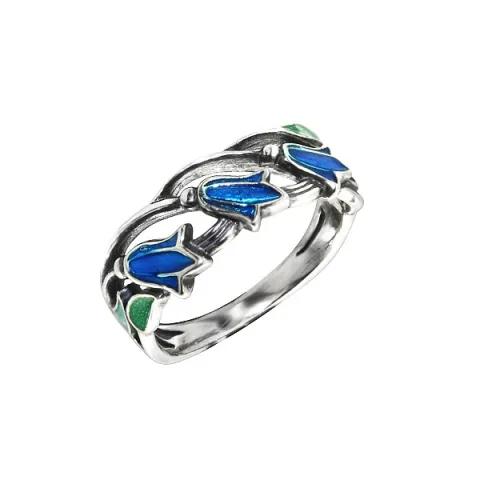
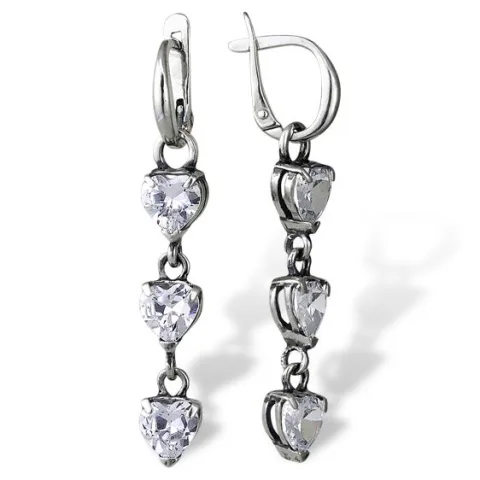
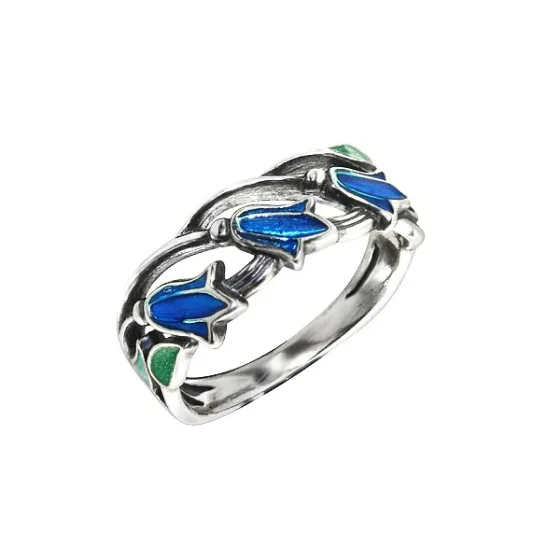
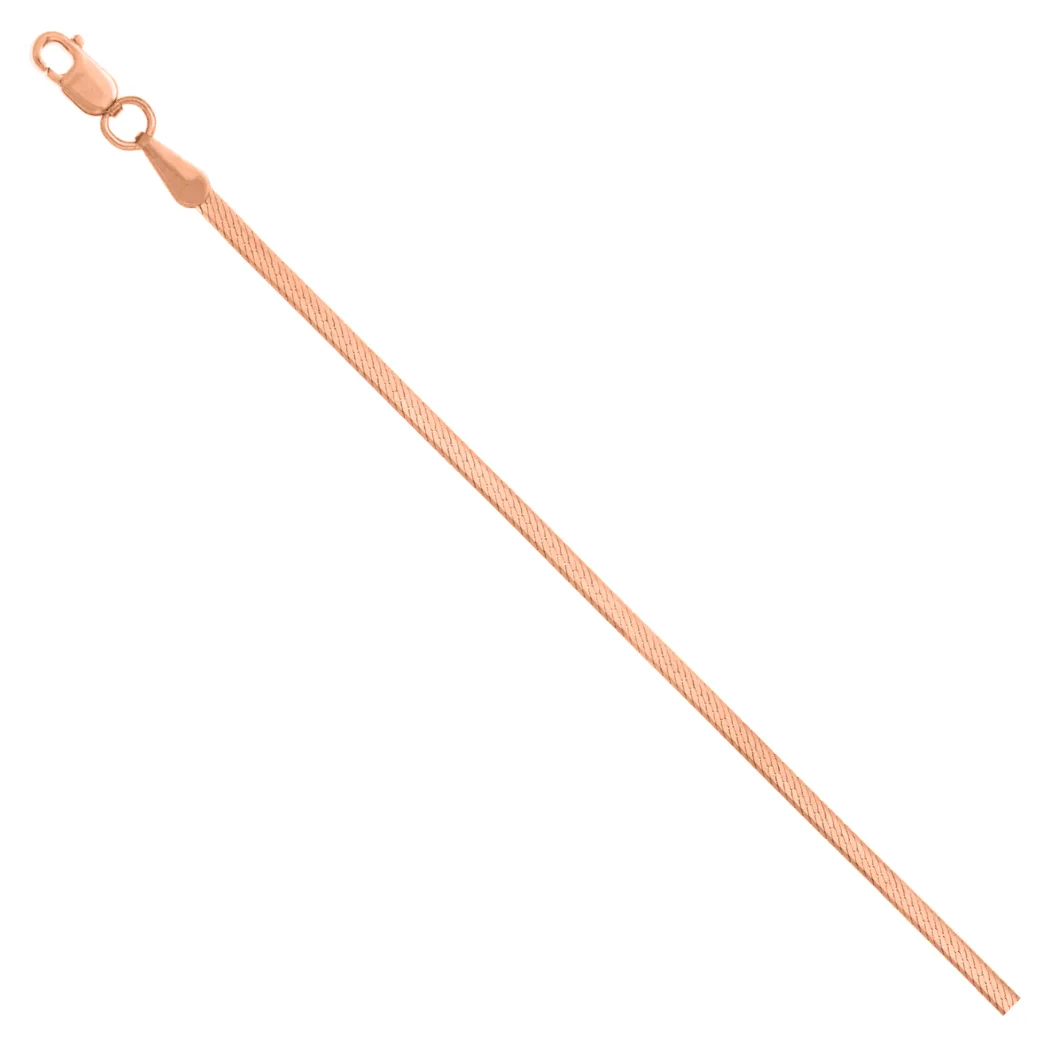
There are 13 pieces in gold in the shop at the moment, from £160 to £1,720. A few of them are below; the rest are in the gold section.
How we make and mark it
Every piece here is made for ONLYWAY JEWELRY in London and, where the law requires it, hallmarked at the London Assay Office. The hallmark is not decoration: it is an independent test of the metal, struck by an assay office rather than by the maker. What the marks mean.
The price on the page is the price you pay. Delivery within the United Kingdom is tracked and included, and you have thirty days to send a piece back. Delivery and returns.